
Why Disco-Themed Casino Platforms Are Redefining Online Entertainment Design
Digital entertainment platforms increasingly rely on visual storytelling to keep users engaged. According to a 2024 report from the Interactive Advertising Bureau, online audiences now spend more time on visually immersive platforms than on static digital interfaces, especially in entertainment categories that combine sound, animation, and social interaction. That shift has influenced many sectors, including iGaming, where design has become a central part of the user experience rather than a secondary feature.
Themed entertainment environments are now shaping how online casino platforms present themselves to adult audiences. Developers are moving beyond plain dashboards and generic layouts, focusing instead on atmosphere, music-inspired visuals, and emotional familiarity. A platform such as SpinFever reflects this broader trend by using retro disco aesthetics, neon lighting, and energetic interface design to create a recognizable entertainment identity. The approach mirrors larger digital media movements where branding and mood are often treated as equally important as functionality.
How Visual Identity Shapes User Experience
Visual identity has become closely tied to user retention in digital entertainment. Research from the Nielsen Norman Group has consistently shown that users form opinions about websites within seconds, often based on visual structure before they assess content or features. In online gaming spaces, that first impression can influence how long users stay on a platform and whether they return later.
Color palettes, typography, animation speed, and interface layout all contribute to the emotional tone of a platform. Minimalist designs often emphasize efficiency and simplicity, while themed platforms aim to create atmosphere and emotional engagement. Neither approach is universally better, but they produce different forms of interaction.
Disco-inspired casino environments stand out because they borrow from recognizable entertainment history. Bright neon tones, mirrored textures, rhythmic motion graphics, and retro-inspired iconography create a sense of familiarity tied to nightlife and music culture from previous decades. For adult audiences, these design elements can feel nostalgic without requiring direct references to gambling itself.
Despite the importance of aesthetics, functionality still matters. According to Adobe’s Digital Trends research, users are less likely to revisit platforms that sacrifice usability for visual effects. That balance has become a defining challenge for modern iGaming designers. Strong branding may attract attention initially, but poor navigation or cluttered interfaces often reduce long-term engagement.
The Role of Themed Design in Online Entertainment
Themed digital environments are common across streaming services, mobile apps, and gaming ecosystems. Entertainment companies increasingly use visual worlds to separate themselves from competitors in crowded online markets. In iGaming, this often means designing platforms around recognizable moods or cultural references rather than relying entirely on game catalogs. Broader regional shifts, including the evolution of iGaming in Brazil, also show how platform identity and localization are becoming central to digital gaming experiences across emerging markets.
Retro entertainment themes have gained traction because they create emotional context. A disco-inspired gaming interface, for example, communicates energy, rhythm, and nightlife culture immediately through design language alone. Music-inspired graphics and dynamic animations create continuity across the platform, making the experience feel curated rather than purely transactional.
Industry analysts from Statista have noted that entertainment-focused online platforms perform better when users perceive a distinct identity instead of a generic service structure. This principle extends beyond casinos. Streaming platforms, esports hubs, and even social media apps now rely heavily on immersive branding strategies to build loyalty.
The disco casino environment also reflects broader nostalgia trends seen in digital culture. Retro aesthetics have reappeared in fashion, television, music videos, and gaming over the last decade. Designers often use these visual references because they evoke familiarity without requiring complex explanations. For many adult users, retro-inspired interfaces can feel engaging while remaining easy to navigate.
Comparing Minimalist and Immersive Casino Interfaces
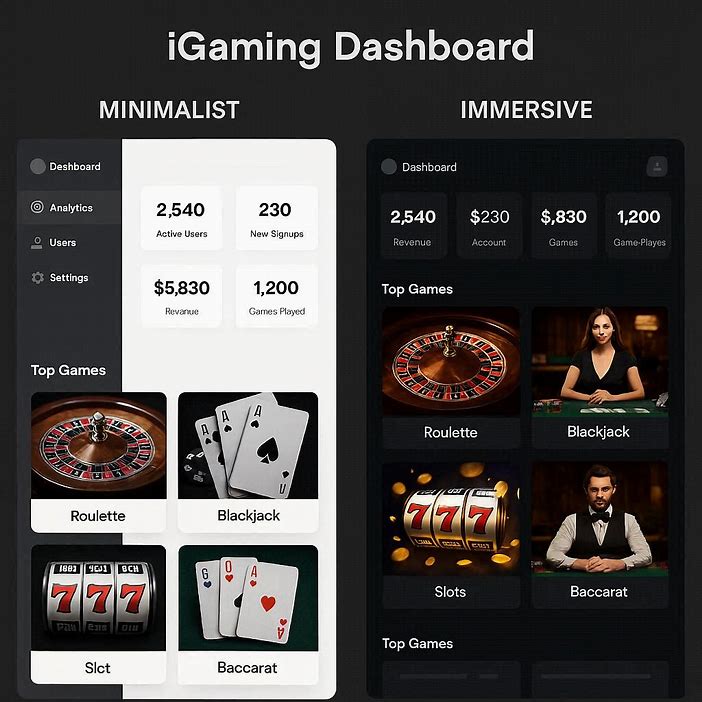
Minimalist casino platforms usually prioritize speed and simplicity. Their interfaces often feature muted colors, limited animation, and highly structured menus. This design approach appeals to users who prefer straightforward navigation and reduced visual distraction. Financial technology apps frequently use similar principles because clarity is associated with trust and efficiency.
Immersive themed platforms follow a different philosophy. Instead of reducing visual stimulation, they attempt to create an entertainment environment that resembles a digital venue. Animated backgrounds, music-inspired graphics, and layered visual elements encourage exploration and longer browsing sessions.
Both approaches have strengths and limitations. Minimalist interfaces tend to load faster and are easier to optimize across devices. However, they may struggle to establish a memorable identity in highly competitive markets. Immersive entertainment platforms often create stronger brand recognition, yet they risk overwhelming users if visual elements become excessive.
The rise of disco-style gaming environments illustrates how operators are trying to combine both strategies. Many modern platforms now use visually expressive branding while keeping navigation relatively streamlined underneath the surface. This hybrid model attempts to preserve usability while still delivering a recognizable entertainment atmosphere.
The retro gaming platform aesthetic seen across some modern casino sites demonstrates this balancing act clearly. Neon-themed visuals and dynamic graphics are often paired with simplified menus, responsive mobile layouts, and cleaner organizational structures. Designers appear increasingly aware that atmosphere alone cannot sustain user interest without accessible functionality.
Entertainment Psychology and Emotional Design
Psychologists and UX researchers have long studied how environmental cues affect digital behavior. According to Stanford University research on persuasive technology, users often respond emotionally to interface design even when they consciously focus on functional tasks. Lighting effects, movement, sound cues, and color combinations can influence mood and attention patterns.
In entertainment-focused environments, emotional design plays a major role in perceived engagement. Disco-inspired interfaces often use rhythmic visual pacing and vibrant colors to create energy. While these elements may appear decorative, they contribute to how users interpret the platform experience overall.
Importantly, entertainment-focused design should not be confused with responsible gambling practices. Regulators in several markets, including the United Kingdom Gambling Commission, continue to emphasize the importance of transparency, user protections, and responsible gaming measures regardless of platform aesthetics. Design innovation does not remove the risks associated with gambling activity.
As immersive branding becomes more common, industry observers are also paying closer attention to ethical design questions. Some critics argue that highly stimulating visual environments may encourage longer engagement periods. Others maintain that themed entertainment is simply part of broader digital media evolution. The discussion continues as regulators and designers adapt to changing user expectations.
How Branding Is Influencing Modern iGaming Trends
Entertainment branding is increasingly shaping the future of iGaming. Casino platforms are no longer competing only through game selection or promotional offers. Instead, many are positioning themselves as lifestyle-oriented entertainment spaces with distinct visual personalities.
This shift reflects changes happening across digital entertainment industries more broadly. Consumers now expect online experiences to feel curated, recognizable, and emotionally engaging. Streaming services personalize interfaces. Video games build immersive worlds. Social media platforms rely heavily on aesthetic identity. Online casinos are evolving within that same digital environment.
The disco-inspired casino concept illustrates how visual branding can influence platform perception without relying on aggressive marketing language. By combining nostalgic design cues with modern interface structures, themed platforms create environments that feel more entertainment-focused than purely transactional.
At the same time, the expansion of immersive online gaming spaces raises important discussions around responsible participation. Gambling carries financial and psychological risks, particularly for vulnerable individuals. Organizations such as GamCare and the National Council on Problem Gambling advise adults to treat gambling as a form of entertainment rather than a source of income. Time limits, spending awareness, and self-control tools remain important regardless of platform design.
As the iGaming sector continues evolving, visual storytelling will likely remain a major differentiator between platforms. Whether through disco-inspired aesthetics, cinematic branding, or minimalist digital architecture, entertainment design is becoming central to how users experience online casino environments. The ongoing growth of retro-themed gaming interfaces suggests that atmosphere and emotional familiarity now hold significant influence in modern digital entertainment culture.