How Cross-Border Platform Design Is Influencing International Player Experiences
Global online gambling continues to expand as internet access, mobile technology, and digital payment systems become more accessible across regions. The European Gaming and Betting Association (EGBA) has consistently reported that online gambling participation across Europe has grown alongside improvements in digital services and responsible gaming standards. These developments have encouraged operators to rethink how their platforms serve users from different countries rather than focusing on a single domestic audience.
One example of this growing focus on international accessibility can be seen through resources discussing best Aussie casinos UK, which examine how Australian-focused platforms adapt for players located in the United Kingdom. Rather than highlighting game selection alone, these comparisons often evaluate localized payment options, customer support availability, licensing transparency, and overall usability. This reflects a broader industry trend where user experience increasingly depends on how well a platform accommodates players from different regions.
The Debate Between Localization and Global Standardization
Cross-border casino platforms generally follow one of two design philosophies. Some prioritize localization by adapting content to individual countries, while others maintain a standardized experience regardless of where players access the service.
Localization usually includes regional languages, familiar currencies, locally accepted payment methods, and promotions that align with local regulations. Players often feel more comfortable when they recognize banking options and support channels that match their own market.
Standardized platforms, on the other hand, emphasize consistency. Regardless of location, every visitor encounters nearly the same interface, navigation, and account management process. This approach simplifies platform maintenance and creates a familiar experience for frequent international travelers.
The discussion is not about determining which strategy is universally better. Instead, each serves different operational goals while influencing player satisfaction in distinct ways.
User Interface Plays a Bigger Role Than Many Expect
Game libraries frequently attract initial attention, yet interface design often determines whether players remain engaged. Research published by the Nielsen Norman Group shows that users tend to abandon websites that feel confusing or difficult to navigate, regardless of the quality of the underlying product.
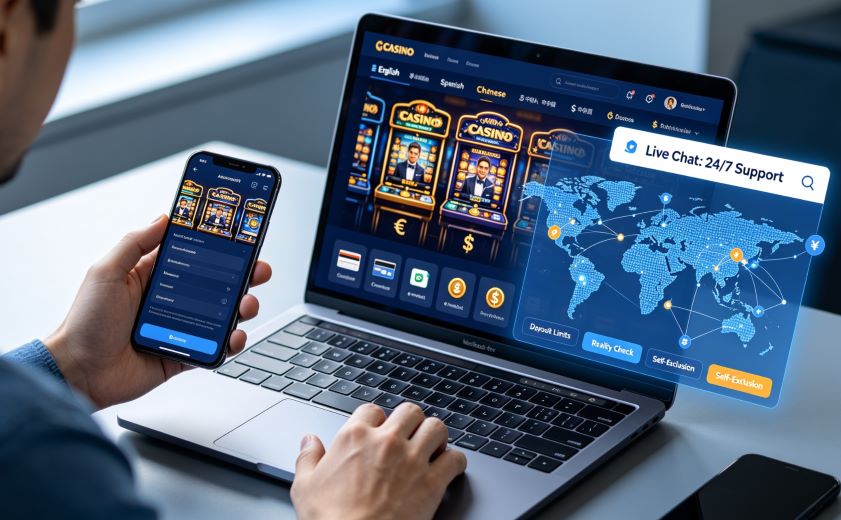
For international casino platforms, this means menus, registration forms, responsible gambling information, and account settings must remain clear even when translated into multiple languages. Small adjustments, such as displaying local currencies or automatically recognizing regional date formats, reduce unnecessary friction during registration and gameplay.
Responsive mobile design has become equally important. Data from Statista indicates that mobile devices now account for a significant share of online gambling activity in many markets. As a result, designers increasingly prioritize interfaces that perform consistently across smartphones, tablets, and desktop computers.
Payment Systems Reflect Local Expectations
One of the most noticeable differences between domestic and international platforms involves payment methods.
Players typically prefer financial services they already know and trust. Credit cards remain popular in some countries, while digital wallets, instant bank transfers, prepaid vouchers, and open banking solutions dominate elsewhere.
The World Bank has observed that digital payment adoption varies considerably between regions, influenced by financial infrastructure, consumer habits, and government policy. Successful international platforms often recognize these differences instead of assuming one payment system fits every audience.
Currency conversion also shapes user experience. Transparent exchange rates, clearly displayed transaction fees, and faster withdrawals contribute to greater confidence among international users.
Customer Support Must Cross Cultural Boundaries
Customer service represents another area where localization and standardization frequently intersect.
Providing multilingual live chat extends beyond simple translation. Support teams must understand local terminology, payment systems, and regulatory questions that vary between jurisdictions. Responses should feel natural rather than generated through automated translation.
Research from PwC consistently shows that customer experience strongly influences long-term loyalty across digital industries. Fast responses, knowledgeable agents, and accessible help centers often matter as much as promotional offers.
Time zone coverage also affects satisfaction. International users expect assistance during their own daytime hours instead of waiting for support centers operating exclusively in another region.
Regulation Shapes Design Decisions
International platforms operate under multiple regulatory frameworks, making compliance a central part of design.
Different countries require varying identity verification procedures, responsible gambling tools, advertising restrictions, and privacy standards. These legal requirements influence registration workflows and account management features.
For example, identity verification may appear immediately after registration in one jurisdiction while occurring later in another. Deposit limits, cooling-off periods, and self-exclusion systems may likewise differ depending on regulatory expectations.
The UK Gambling Commission and similar regulatory bodies worldwide emphasize consumer protection alongside fair gaming practices. These standards encourage operators to build compliance directly into the user experience instead of treating it as a separate administrative process.
Responsible Gaming Has Become Part of Platform Design
Responsible gambling tools have gradually shifted from optional features to core design elements.
Modern international platforms frequently include deposit controls, session reminders, reality checks, account activity summaries, and self-exclusion options that remain visible throughout the user journey.
Experts at the National Council on Problem Gambling note that making these resources easy to access supports informed decision-making without disrupting normal platform use. Their placement within account settings and gameplay interfaces demonstrates how responsible gaming now forms part of overall user experience design.
This evolution illustrates how international operators increasingly balance entertainment with consumer protection.
Changing Expectations Continue to Influence Platform Development
Player expectations continue to evolve alongside broader digital trends. Consumers increasingly compare casino platforms with streaming services, online retailers, and financial apps that offer highly personalized experiences.
Artificial intelligence is beginning to support customized recommendations, language preferences, fraud detection, and customer service automation. Meanwhile, accessibility improvements help users with varying visual, hearing, or mobility needs navigate platforms more comfortably.
Industry analysts from Deloitte have observed that digital consumers increasingly expect personalized yet transparent online experiences. International casino operators face similar expectations while balancing privacy obligations and responsible gambling standards.
These developments suggest that future competition may depend less on offering the largest collection of games and more on delivering a seamless, trustworthy experience regardless of where users are located.
READ ALSO: iGaming Trends and Player Insights for Best Australian Online Casinos Right Now
Conclusion
The discussion between localized platforms and standardized global services reflects a broader shift in how international digital businesses approach user experience. Some players appreciate interfaces that mirror local habits, currencies, and payment systems. Others value consistency across countries, especially when traveling or maintaining accounts across multiple jurisdictions.
As cross-border gambling continues to develop, successful platforms are likely to combine elements of both approaches. Regional payment flexibility, multilingual customer support, mobile-friendly design, transparent compliance, and accessible responsible gaming features all contribute to stronger user confidence. For players comparing Australian-focused casino sites that welcome UK users or evaluating other internationally accessible platforms, the overall experience increasingly depends on thoughtful platform design rather than game libraries alone. This trend highlights how user expectations continue to shape the future of international online gambling services.