
Understanding How Digital Gaming Platforms Structure User Navigation and Interaction
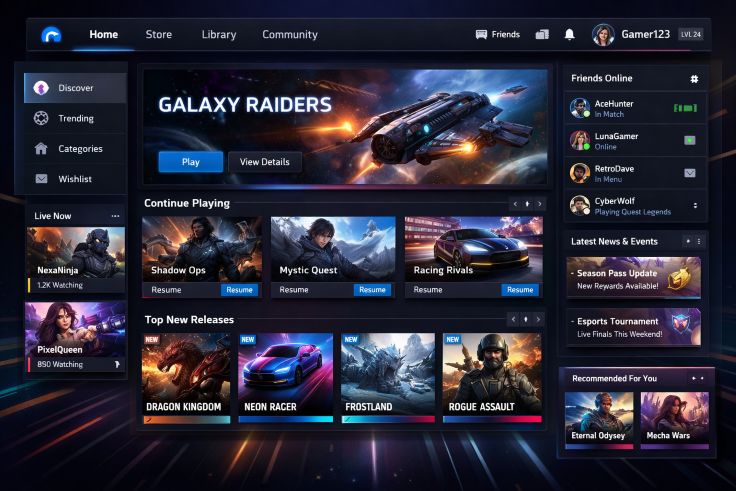
Research on digital behavior consistently shows that users often decide whether to continue using a platform within a short period after arrival. According to Nielsen Norman Group, interface design and navigation clarity strongly affect how users interact with digital environments and whether they continue exploring a platform. These findings have become increasingly important across iGaming systems, where platform structure influences how information is found and understood.
Modern gaming platforms rely on layered design systems that organize content, account functions, and activity paths into a predictable experience. Industry observers and reference sources, including Online gaming site (situs game online), often examine how these platforms arrange their interfaces and user flows. Rather than focusing on outcomes or game results, current discussions increasingly examine architecture and usability because these elements shape the overall interaction process.
Overview of Platform Architecture
Digital gaming platforms are built around interconnected systems that manage content delivery, account management, payment functions, and user interface elements. While users usually see only the visual layer, a larger technical framework works behind the scenes.
A common architecture begins with a homepage designed to provide quick access to major categories. These may include account areas, game libraries, support functions, and informational sections. The goal is to reduce friction and help visitors understand where key functions are located.
Despite the importance of visual presentation, structural organization often matters more than appearance alone. According to Interaction Design Foundation, users tend to prefer systems that lower cognitive load, meaning they require less mental effort to complete tasks. Platforms that present too many choices at once may create confusion and increase navigation errors.
Developers frequently organize digital systems through hierarchical structures. Primary categories sit at the top level, while detailed content appears within secondary pages. This arrangement allows users to move between sections without repeatedly returning to the homepage.
Navigation Systems and Information Flow
Navigation acts as the framework that guides movement through a platform. Strong navigation systems reduce uncertainty and help users understand where they are within a digital environment.
Several elements commonly appear across gaming interfaces:
- Main menus that group major content categories.
- Search tools that help users locate specific content.
- Filters and sorting systems.
- Breadcrumb paths that show page location.
- Persistent account access menus.
Many systems now use responsive design methods that adjust interface layouts across mobile phones, tablets, and desktop screens. According to Google’s Web Fundamentals research, users increasingly expect continuity across devices, meaning the experience should remain familiar even when screen sizes change.
Navigation design has gradually moved toward simplicity. Earlier systems sometimes placed many functions on a single screen, while more recent designs often separate information into cleaner sections with fewer distractions.
Digital entertainment platforms, for example, increasingly rely on expandable menus and personalized dashboards that reduce visual clutter while maintaining access to key functions.
User Journey Patterns Across Gaming Environments
User journeys describe the sequence of actions individuals take from entry to exit. These journeys rarely follow identical patterns because people arrive with different intentions.
Some users may seek information before interacting further. Others may move directly toward account settings or content libraries. Several stages commonly appear during these journeys:
Entry and Orientation
Visitors generally begin by identifying available options and understanding platform structure. Layout clarity becomes important during this stage because confusion can interrupt engagement.
Exploration
Users often move between categories, compare content sections, and review available functions. Search tools and filtering systems become more important during this stage.
Interaction
Users may access account areas, settings, support channels, or activity pages. Interface consistency matters because unexpected changes can create uncertainty.
Exit or Return
People eventually leave or revisit the platform. Positive usability experiences often influence whether users return for future interactions.
According to Baymard Institute, interruptions caused by confusing interfaces can affect completion rates across digital platforms. Although their research frequently focuses on broader online systems, many usability principles apply across gaming environments as well.
READ ALSO: What Makes an Online Slot Game Platform Thrive in a Competitive Market?
Broader Implications for Usability
Navigation design affects more than convenience. It also influences accessibility, transparency, and user understanding. As digital environments become more complex, users increasingly expect systems that reduce unnecessary effort.
Clear organization may help people locate information faster and understand available features more effectively. Accessibility considerations have also become more visible. Text size adjustments, readable contrast levels, and adaptable layouts contribute to wider usability across different user groups.
These developments also raise questions about responsible platform design. Gaming environments frequently encourage extended interaction periods, making interface structure an important consideration beyond appearance alone.
Responsible use remains an important topic in discussions surrounding digital gaming spaces. Gambling activities carry financial and psychological risks, and participation should involve awareness and moderation. According to World Health Organization, behavioral patterns associated with gaming and gambling require careful attention when usage begins affecting daily life or personal well-being.
As digital systems continue to evolve, broader gaming platforms will likely continue refining how users move through their environments. Effective navigation is no longer simply a technical feature. It has become a central element that shapes understanding, comfort, and interaction quality. At the same time, users should approach gambling-related environments carefully and remain aware of the potential risks associated with prolonged or uncontrolled participation.