Tag: player protection

Growth Versus Profitability: What BetMGM’s Q3 Results Reveal About iGaming’s Year-End Priorities

modern digital gaming platform interfaceBetMGM reported third-quarter net revenue of $710 million on October 13, 2026, up 7% from a year earlier. Adjusted EBITDA reached $86 million, increasing 112%. The update suggests that earnings improved faster than revenue, putting the quality of growth at the centre of its year-end story.

For industry observers, the question is whether that improvement can last. Customer acquisition can support expansion, but sustainable progress also requires retention, efficient operations and promotional spending that produces worthwhile returns. These priorities should be assessed together rather than treating a larger customer base as the main measure of success.

Does More Acquisition Mean Better Growth?

Acquisition deserves a place in an operator’s strategy. New customers can help establish a presence in additional markets and broaden future revenue opportunities. However, the useful comparison is between what those customers cost to attract and what they contribute after bonuses and other expenses.

A promotion may generate registrations without building lasting demand. Analysts should therefore ask whether customers return after introductory incentives expire. Retention becomes more meaningful when it reflects product quality and reliable service, rather than repeated discounts or pressure to spend.

The October release from BetMGM showed overall average monthly active customers falling 3%, while iGaming revenue increased 6% to $483 million. That combination challenges the assumption that revenue growth must depend on rising customer numbers. It does not, by itself, prove stronger retention.

Revenue, Market Share and Profit Tell Different Stories

Revenue describes business activity in money terms. Market share describes an operator’s position relative to competitors within a defined market. Profitability asks what remains after relevant costs. A useful assessment must keep those questions separate.

BetMGM reported 20% iGaming gross gaming revenue market share in its active markets. Its adjusted EBITDA measure excludes interest, taxes, depreciation and amortisation, and adds back parent fees. Consequently, positive adjusted earnings should not be presented as equivalent to accounting net profit.

The analytical priority is to understand the bridge between sales and earnings. Are marketing costs becoming more productive? Can technology and support expenses grow more slowly than revenue? Are improvements repeatable, or dependent on unusually favourable trading conditions?

Player Protection Belongs Beside Efficiency

BetMGM describes deposit, spending and time limits among its player protection tools. It also provides self-assessments and information about self-exclusion. Their availability establishes what customers can access, but does not demonstrate how effectively those measures prevent harm.

Higher spending per customer should therefore prompt questions alongside financial optimism. A balanced review should seek evidence of timely interventions, accessible limits and respect for exclusion requests. Retention should never become a reason to discourage someone from stopping.

What Must Q4 and 2027 Clarify?

Fourth-quarter results should help distinguish durable operating improvements from a strong reporting period. Investors should compare revenue growth with promotional costs, customer trends and cash generation. Future 2027 guidance should explain the assumptions behind continued earnings improvement. Sustainable progress would combine commercially sound acquisition, responsible retention and credible evidence that efficiency gains can survive changing market conditions.
Unregulated iGaming Platforms Explained: How Apps Like MZPlay Operate Outside the Rules

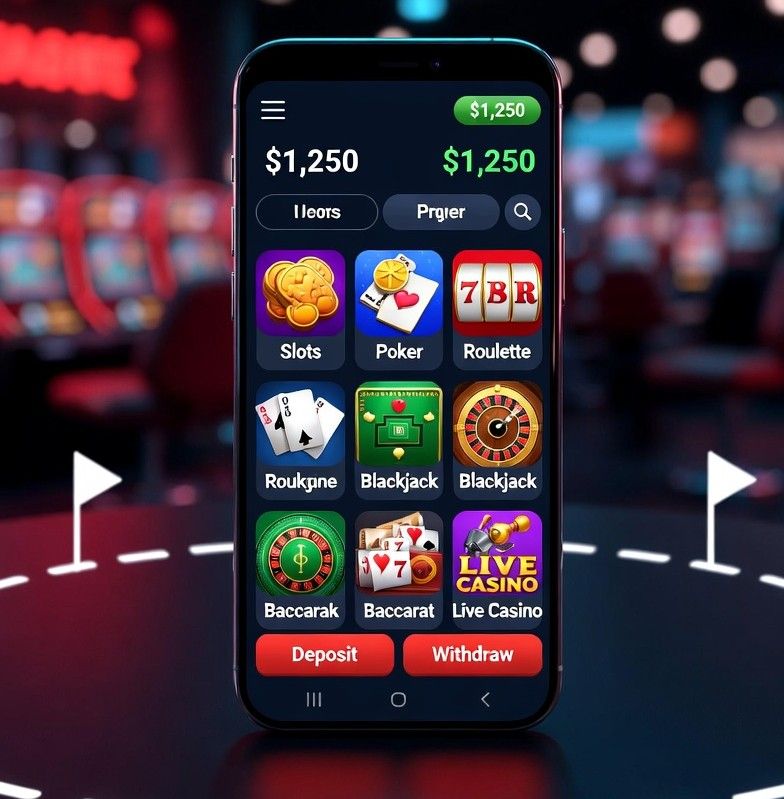
Hundreds of gambling apps operate globally without a formal license, reaching millions of players every year. These platforms exist outside national gaming laws, yet they often look polished, fast, and harmless. For many users, the lack of oversight is invisible until something goes wrong.

Apps like mzplay highlight how unregulated iGaming works in practice. They appear in app stores or through direct downloads, promote quick rewards, and avoid the legal labels tied to casinos. By presenting themselves as games or entertainment apps, they bypass rules that licensed gambling operators must follow.

What “Unregulated” Really Means

casino app operating outside a legal boundary line

An unregulated iGaming platform operates without approval from a recognized gambling authority. There is no government body reviewing its software, no regulator checking payout rates, and no requirement to protect player funds. Unlike licensed casinos in places such as the UK or Malta, these apps answer only to themselves.

This freedom allows operators to move fast. They can launch new games, change odds, or adjust reward systems overnight. While that flexibility benefits the platform, it leaves players exposed. Rules can change mid-session, and there is no obligation to explain why.

Why These Platforms Avoid Licensing

Licensing is expensive and restrictive. Regulators demand audits, player verification, responsible gambling tools, and strict limits on marketing. For many operators, avoiding a license removes costs and delays.

Unregulated platforms often register companies in jurisdictions with weak enforcement or operate without a clear headquarters at all. Payments are routed through third parties, digital wallets, or in-app credits, making oversight even harder. This structure keeps profits high while accountability stays low.

How Player Risk Increases

The biggest difference for players is risk concentration. On a licensed platform, player funds are usually separated from company accounts. On unregulated apps, deposits often go straight to the operator. If the app shuts down or freezes accounts, there is little chance of recovery.

Payout rules can be vague. Withdrawal limits may appear only after a win, and delays can stretch for weeks. Some users report sudden account reviews triggered only after large balances appear. With no regulator, these actions face no challenge.

Disputes Without a Referee

Licensed casinos must provide dispute resolution channels, often involving third-party mediators. Unregulated iGaming platforms do not. Customer support, when it exists, acts as judge and jury.

If a game malfunctions or a bonus is revoked, players have no external authority to contact. Complaints posted online rarely lead to change. The platform controls communication, outcomes, and enforcement.

Design That Feels Safe

Many unregulated apps invest heavily in design. Bright graphics, smooth animations, and constant rewards create trust. The experience feels closer to a mobile game than a casino.

This design choice is strategic. By lowering psychological barriers, platforms encourage longer play sessions and repeat deposits. Apps like mzplay rely on this familiarity to reduce skepticism, especially among new or younger users.

READ ALSO: Why Exclusivebet Reviews Matter for Betting and Casino Enthusiasts

What Players Can Do

Awareness is the strongest defense. Players should check for clear licensing information, readable terms, and transparent payout rules. Vague language, missing company details, or unclear withdrawal policies are warning signs.

Using smaller deposits and avoiding long-term balances can reduce potential losses. Still, these steps only limit damage, they do not replace regulation.

Why Regulation Matters

Regulation exists to balance entertainment with protection. It sets standards for fairness, forces transparency, and creates consequences for misconduct. When platforms operate outside those rules, the entire burden shifts to the user.

Unregulated iGaming will continue to grow as long as apps like mzplay attract players with speed and simplicity. The key takeaway remains clear. When oversight disappears, risk does not. It simply moves, and it lands squarely on the player.

This website has no cookies. It collects only basic data. More at the Privacy Policy page.
𐌢