
Unregulated iGaming Platforms Explained: How Apps Like MZPlay Operate Outside the Rules
Hundreds of gambling apps operate globally without a formal license, reaching millions of players every year. These platforms exist outside national gaming laws, yet they often look polished, fast, and harmless. For many users, the lack of oversight is invisible until something goes wrong.
Apps like mzplay highlight how unregulated iGaming works in practice. They appear in app stores or through direct downloads, promote quick rewards, and avoid the legal labels tied to casinos. By presenting themselves as games or entertainment apps, they bypass rules that licensed gambling operators must follow.
What “Unregulated” Really Means
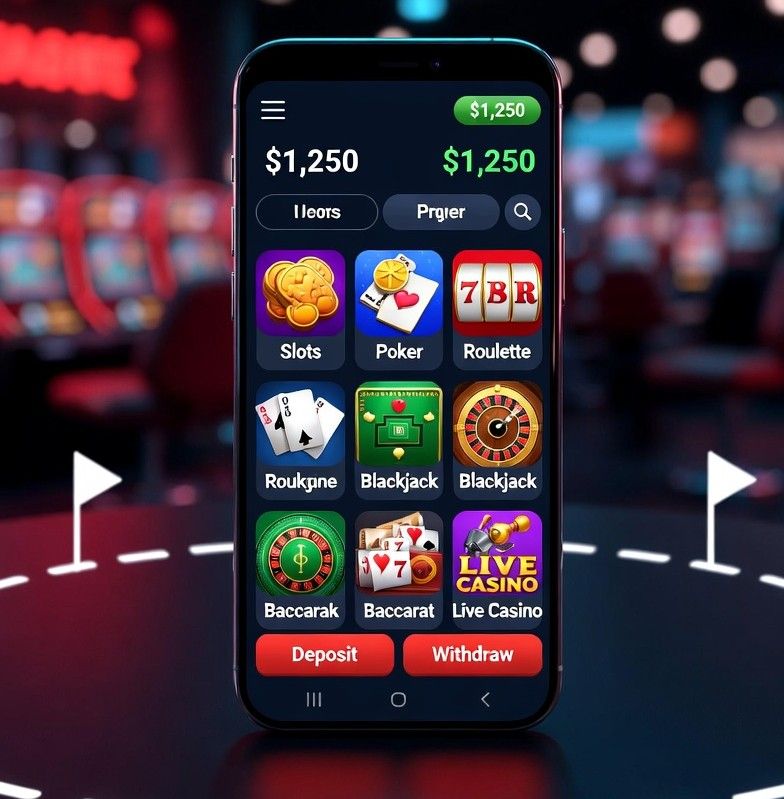
An unregulated iGaming platform operates without approval from a recognized gambling authority. There is no government body reviewing its software, no regulator checking payout rates, and no requirement to protect player funds. Unlike licensed casinos in places such as the UK or Malta, these apps answer only to themselves.
This freedom allows operators to move fast. They can launch new games, change odds, or adjust reward systems overnight. While that flexibility benefits the platform, it leaves players exposed. Rules can change mid-session, and there is no obligation to explain why.
Why These Platforms Avoid Licensing
Licensing is expensive and restrictive. Regulators demand audits, player verification, responsible gambling tools, and strict limits on marketing. For many operators, avoiding a license removes costs and delays.
Unregulated platforms often register companies in jurisdictions with weak enforcement or operate without a clear headquarters at all. Payments are routed through third parties, digital wallets, or in-app credits, making oversight even harder. This structure keeps profits high while accountability stays low.
How Player Risk Increases
The biggest difference for players is risk concentration. On a licensed platform, player funds are usually separated from company accounts. On unregulated apps, deposits often go straight to the operator. If the app shuts down or freezes accounts, there is little chance of recovery.
Payout rules can be vague. Withdrawal limits may appear only after a win, and delays can stretch for weeks. Some users report sudden account reviews triggered only after large balances appear. With no regulator, these actions face no challenge.
Disputes Without a Referee
Licensed casinos must provide dispute resolution channels, often involving third-party mediators. Unregulated iGaming platforms do not. Customer support, when it exists, acts as judge and jury.
If a game malfunctions or a bonus is revoked, players have no external authority to contact. Complaints posted online rarely lead to change. The platform controls communication, outcomes, and enforcement.
Design That Feels Safe
Many unregulated apps invest heavily in design. Bright graphics, smooth animations, and constant rewards create trust. The experience feels closer to a mobile game than a casino.
This design choice is strategic. By lowering psychological barriers, platforms encourage longer play sessions and repeat deposits. Apps like mzplay rely on this familiarity to reduce skepticism, especially among new or younger users.
READ ALSO: Why Exclusivebet Reviews Matter for Betting and Casino Enthusiasts
What Players Can Do
Awareness is the strongest defense. Players should check for clear licensing information, readable terms, and transparent payout rules. Vague language, missing company details, or unclear withdrawal policies are warning signs.
Using smaller deposits and avoiding long-term balances can reduce potential losses. Still, these steps only limit damage, they do not replace regulation.
Why Regulation Matters
Regulation exists to balance entertainment with protection. It sets standards for fairness, forces transparency, and creates consequences for misconduct. When platforms operate outside those rules, the entire burden shifts to the user.
Unregulated iGaming will continue to grow as long as apps like mzplay attract players with speed and simplicity. The key takeaway remains clear. When oversight disappears, risk does not. It simply moves, and it lands squarely on the player.